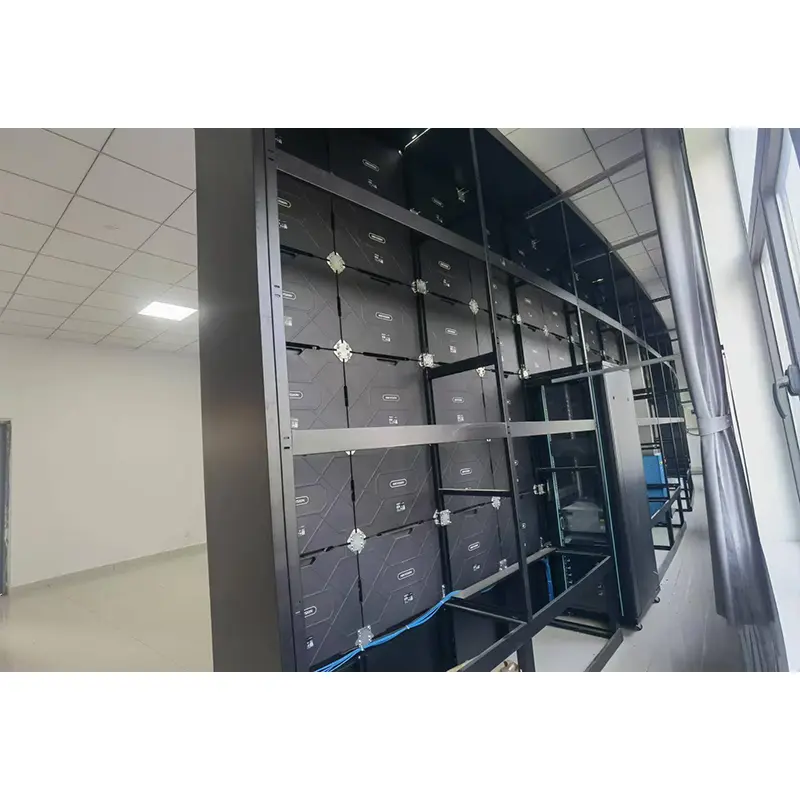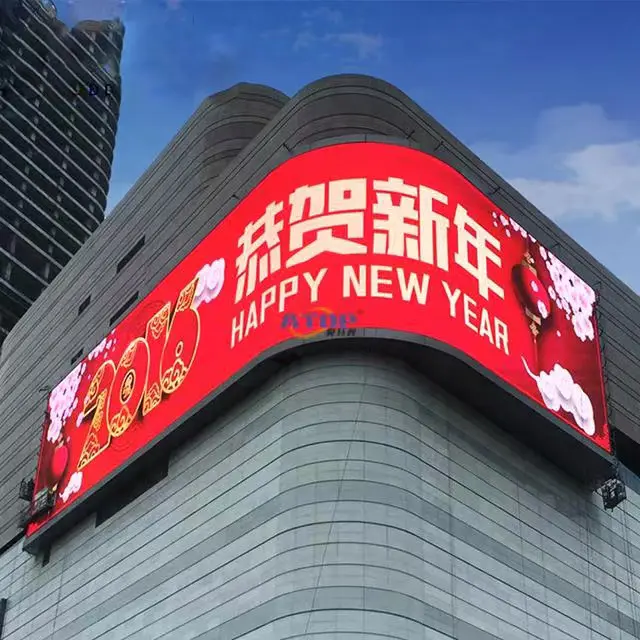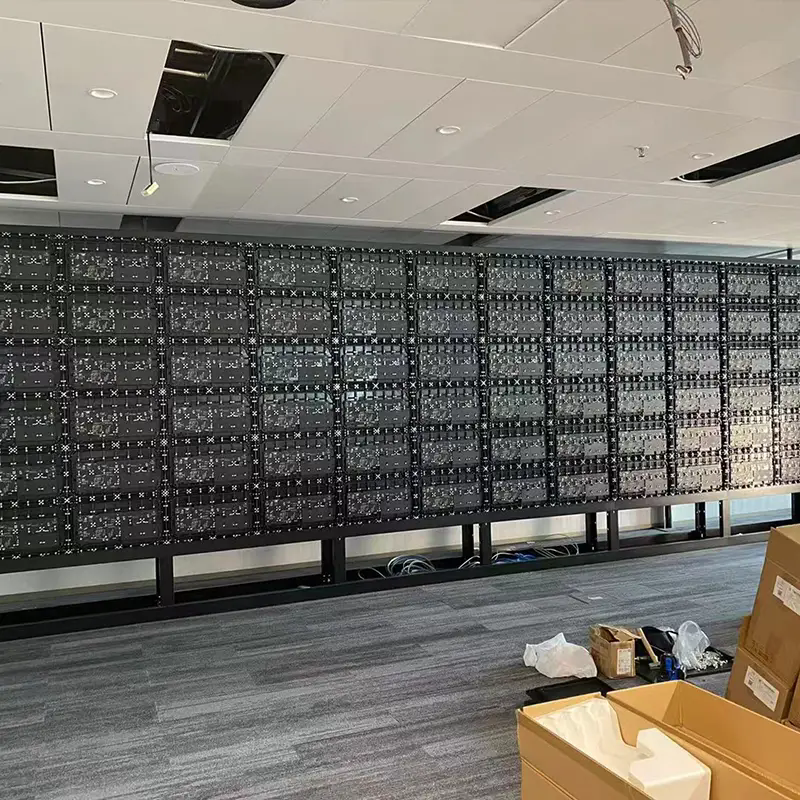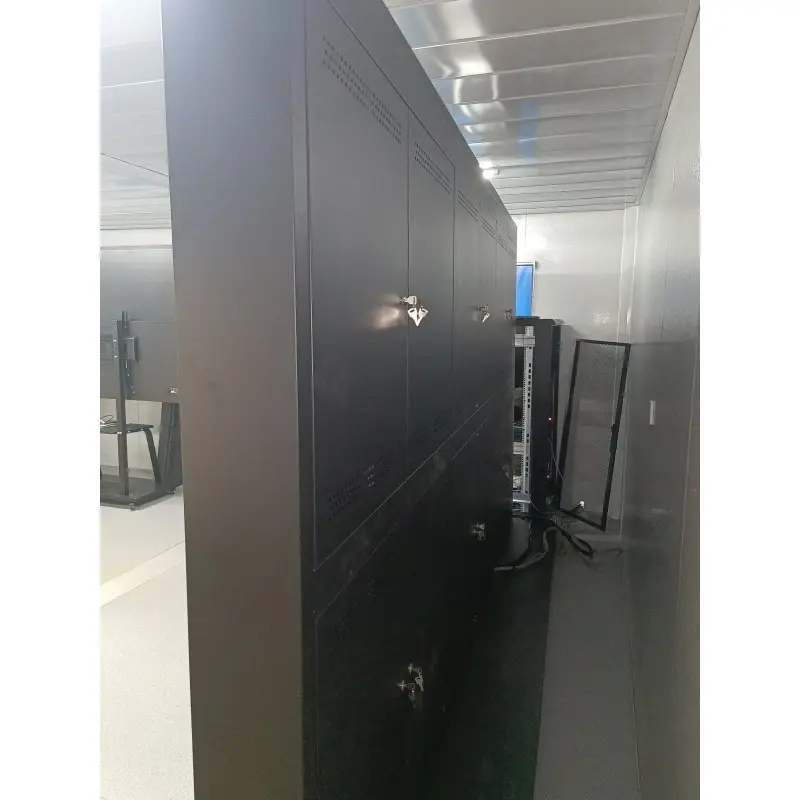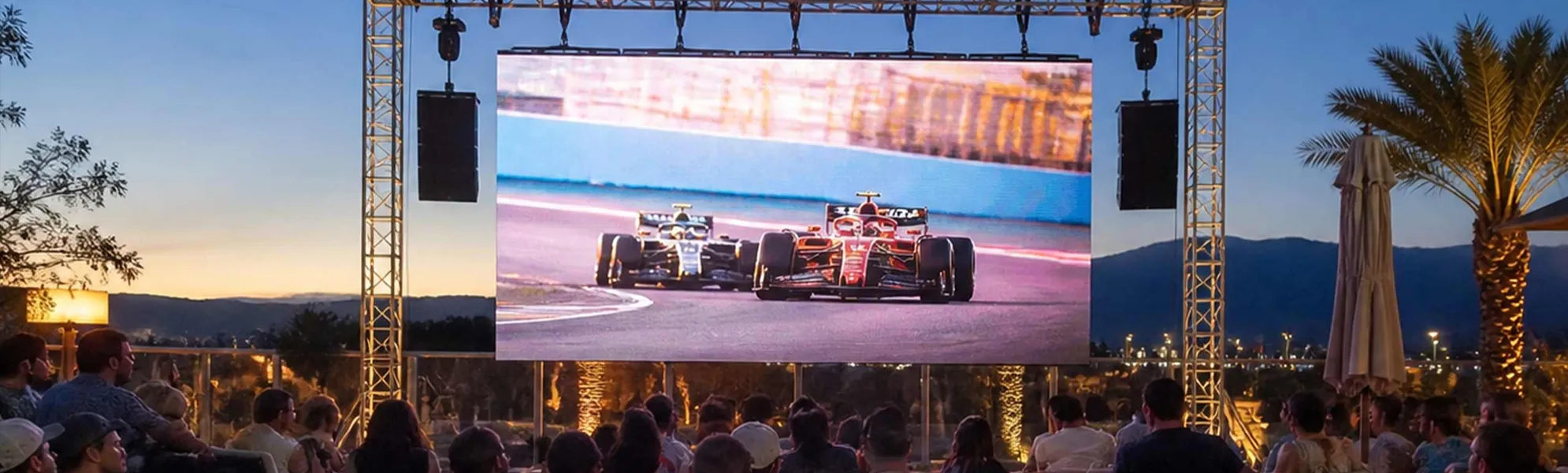
Abstract: An LED Electronic Screen Floor Stand with Access Door is more than a support frame for a digital display. It combines structural stability, equipment concealment, cable management, maintenance access, and installation efficiency in one integrated solution. Shushi develops modular LED display support structures designed for commercial interiors, exhibition spaces, conference rooms, shopping malls, hotels, command centers, and other indoor applications. With a detachable bolt-assembled design, adjustable components, lockable equipment access, and customized dimensions, this type of floor stand can simplify LED screen installation while creating a cleaner and more professional display environment.
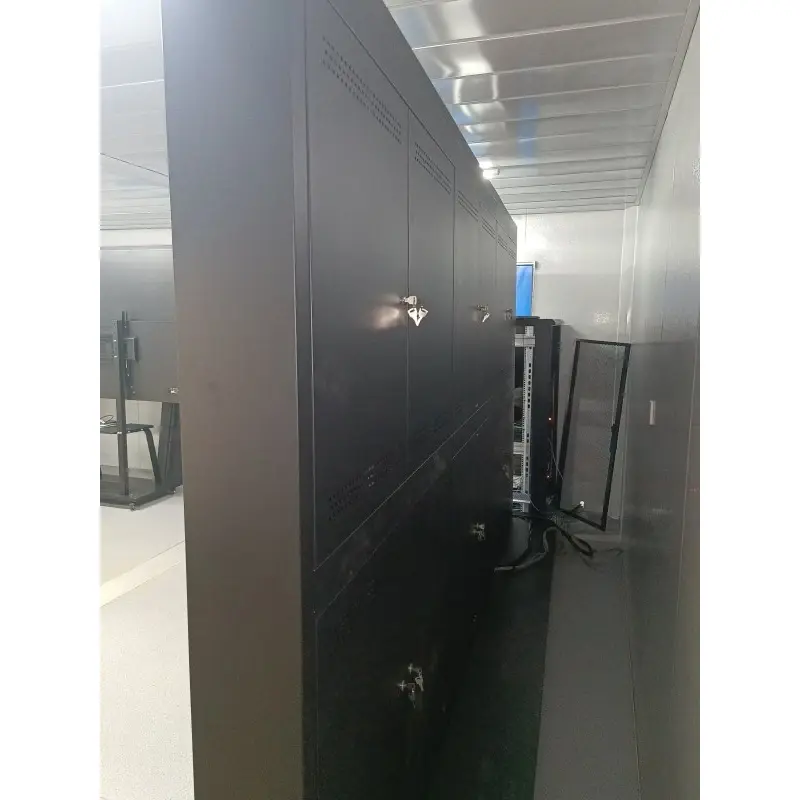
Table of Contents
- What Is an LED Electronic Screen Floor Stand with Access Door?
- Why Is an Access Door Important for LED Display Installation?
- What Are the Core Features of This LED Floor Stand?
- What Are the Key Specifications and Structural Details?
- How Does the Modular Installation Process Work?
- Where Can an LED Electronic Screen Floor Stand Be Used?
- What Advantages Does a Modular LED Floor Stand Offer?
- How Should Buyers Select the Right LED Screen Floor Stand?
- Frequently Asked Questions
- Why Choose Shushi for LED Display Support Solutions?
What Is an LED Electronic Screen Floor Stand with Access Door?
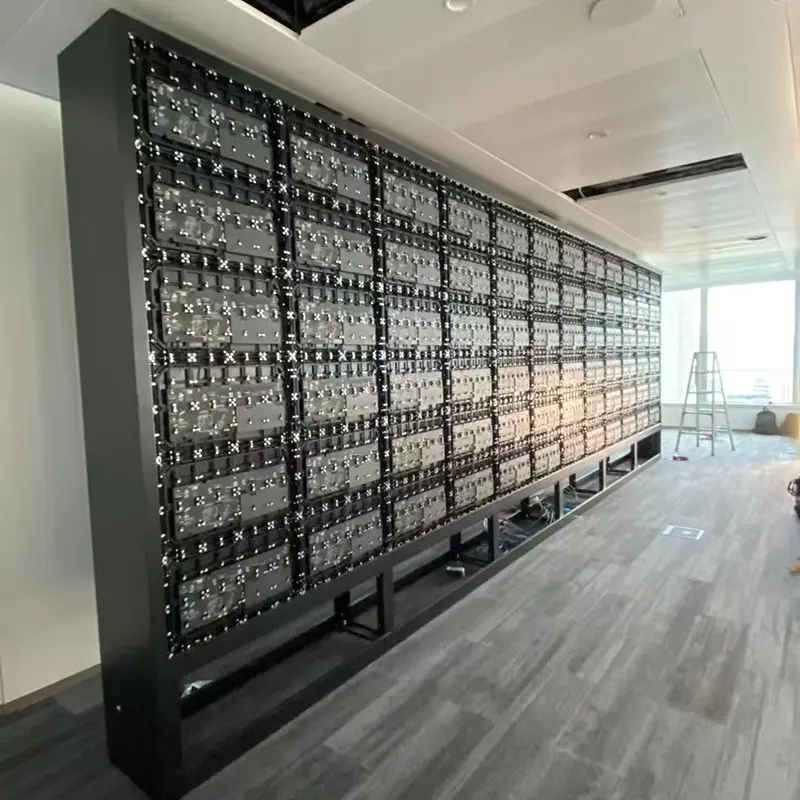
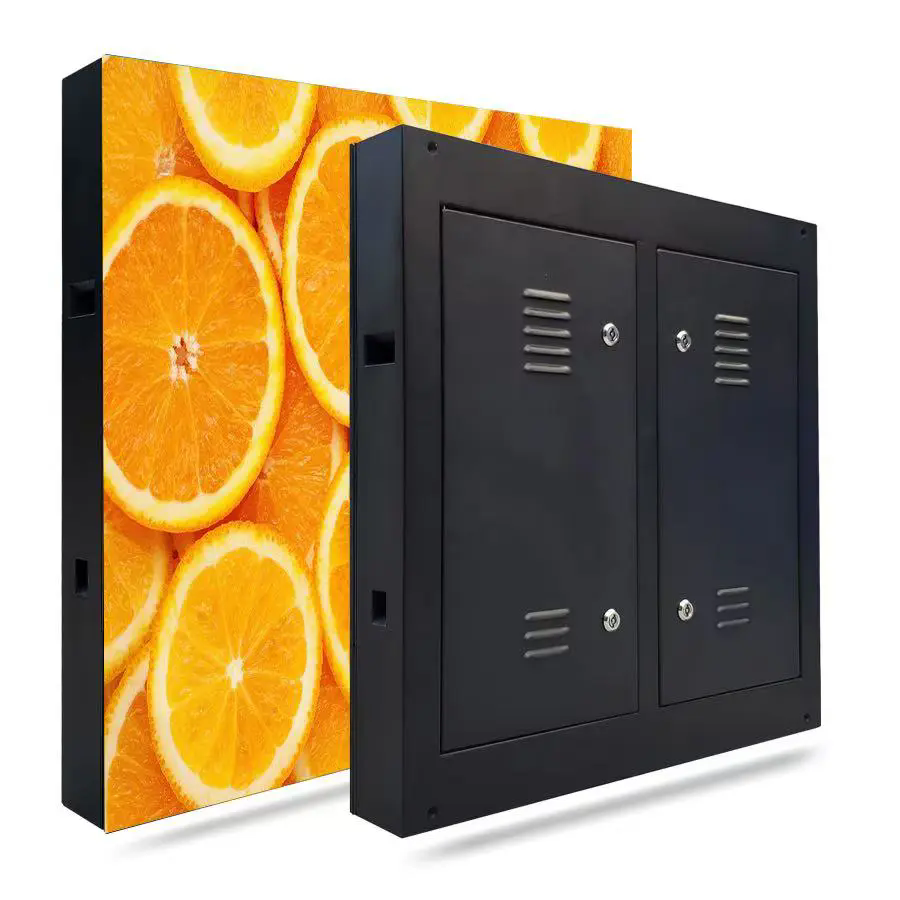
An LED Electronic Screen Floor Stand with Access Door is a freestanding metal support system engineered to securely install LED displays while providing dedicated space for power supplies, control equipment, and cables. Unlike a basic display bracket, this integrated structure combines the display support frame with an enclosed lower cabinet and maintenance access.
The design is particularly valuable where the LED screen must stand independently without extensively modifying the surrounding wall or architectural decoration. According to Shushi's product information, the structure can accommodate magnetic LED modules, die-cast aluminum cabinets, and different screen configurations.
A typical system consists of:
- A high-strength metal supporting frame
- A stable base structure
- Upper and lower connecting sections
- Adjustable leveling components
- LED module or cabinet mounting interfaces
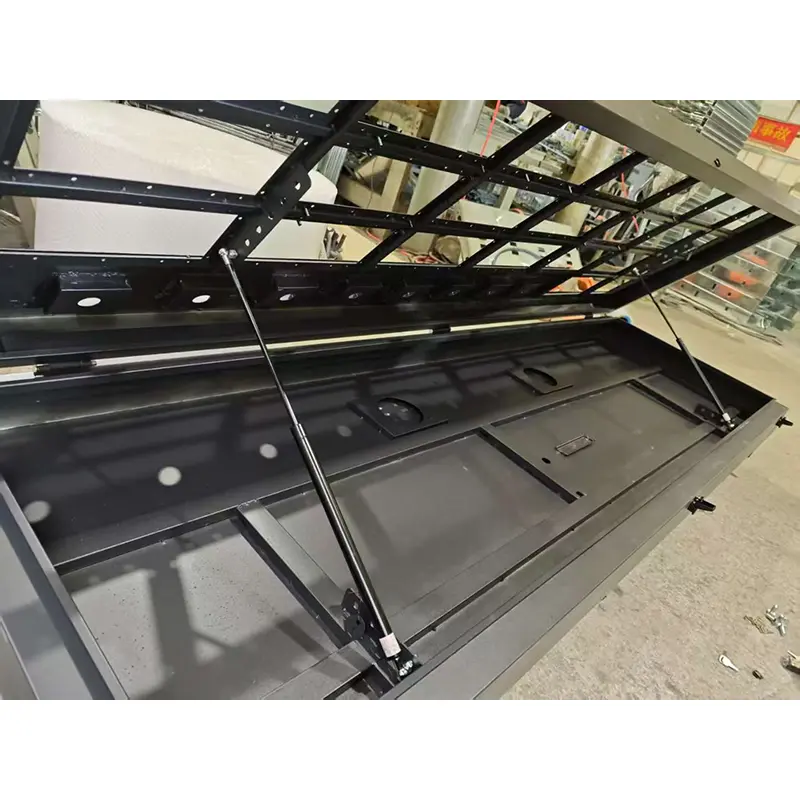
- A lower lockable access door
- Internal space for cables, control systems, and power equipment
This integrated approach helps transform the LED screen from a collection of separate components into a cleaner and more manageable display installation.
Why Is an Access Door Important for LED Display Installation?
LED displays require supporting electronics, power distribution, signal connections, and cable routing. If these components are installed externally, they can create visual clutter and make routine maintenance more difficult. An access door addresses both issues by providing an organized and protected service area behind or beneath the screen.
The lockable door can conceal control equipment and wiring while allowing authorized technicians to access the internal components when necessary. This is especially useful in public-facing environments where exposed cables or electronic components may affect appearance and safety.
| Traditional Installation Challenge | Access-Door Floor Stand Solution | Practical Benefit |
|---|---|---|
| Exposed cables and equipment | Integrated enclosed storage area | Cleaner appearance |
| Difficult equipment servicing | Lockable maintenance door | Faster maintenance |
| External cabinets occupy additional space | Lower integrated cabinet | Better space utilization |
| Complicated transportation of welded frames | Modular detachable structure | Easier transportation and handling |
| On-site welding and painting | Bolt-assembled construction | Cleaner and faster installation |
What Are the Core Features of This LED Floor Stand?
Independent Load-Bearing Structure
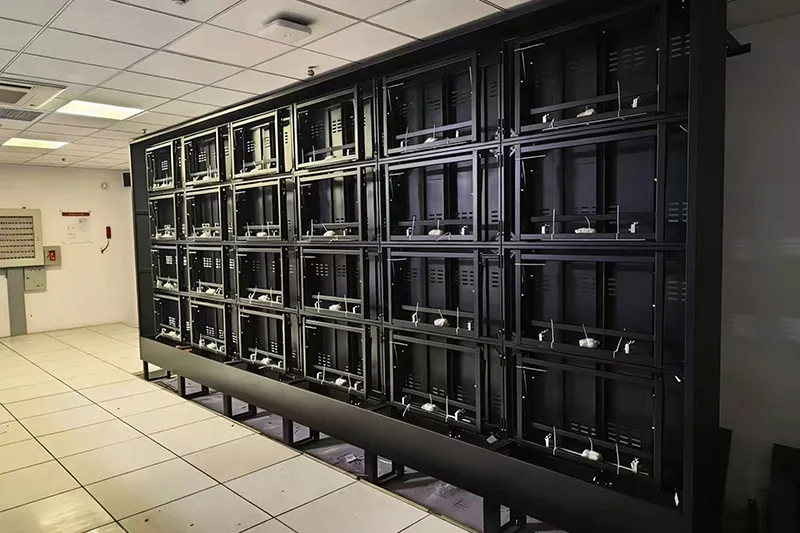
The floor stand has its own supporting base, allowing it to carry the LED display independently. A reinforced structure helps distribute the screen load through the supporting frame and base rather than relying entirely on an existing wall.
Modular Bolt-Assembly Design
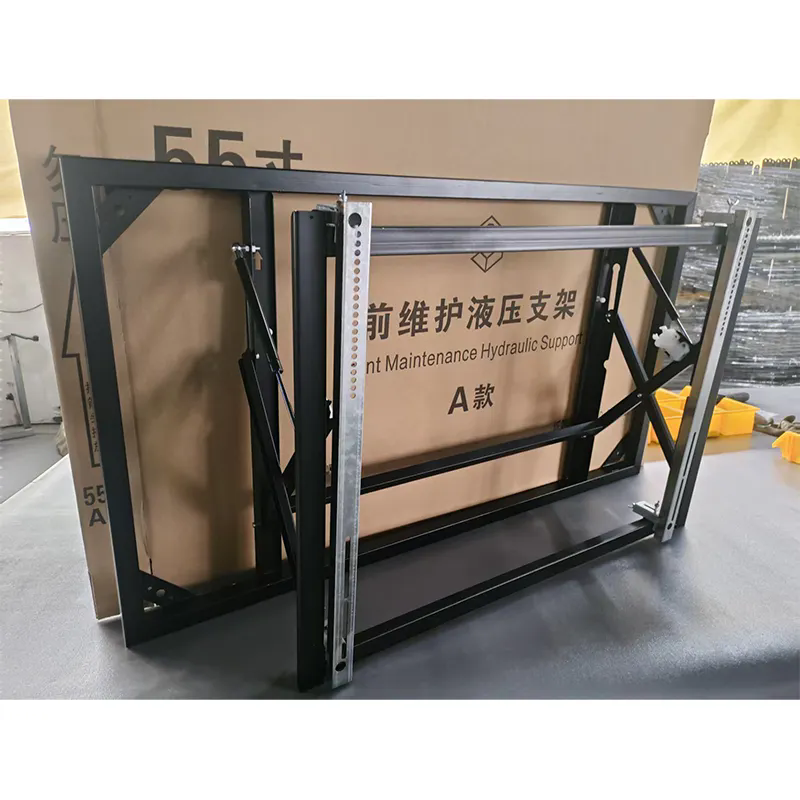
The structure uses detachable sections connected by screws. Shushi specifies sections of up to approximately 2,200 mm, making the components easier to move through elevators, corridors, and building entrances compared with large welded structures.
Adjustable Leveling
The lower section incorporates leveling components, including M16 nuts with approximately 35 mm of adjustable travel. This allows installers to compensate for minor floor irregularities and improve the vertical alignment of the display.
Flexible Display Compatibility
The support structure can be customized for different LED module and cabinet configurations. Flat, curved, circular, and other special-shaped display concepts can be accommodated according to project requirements.
Protected Equipment Storage
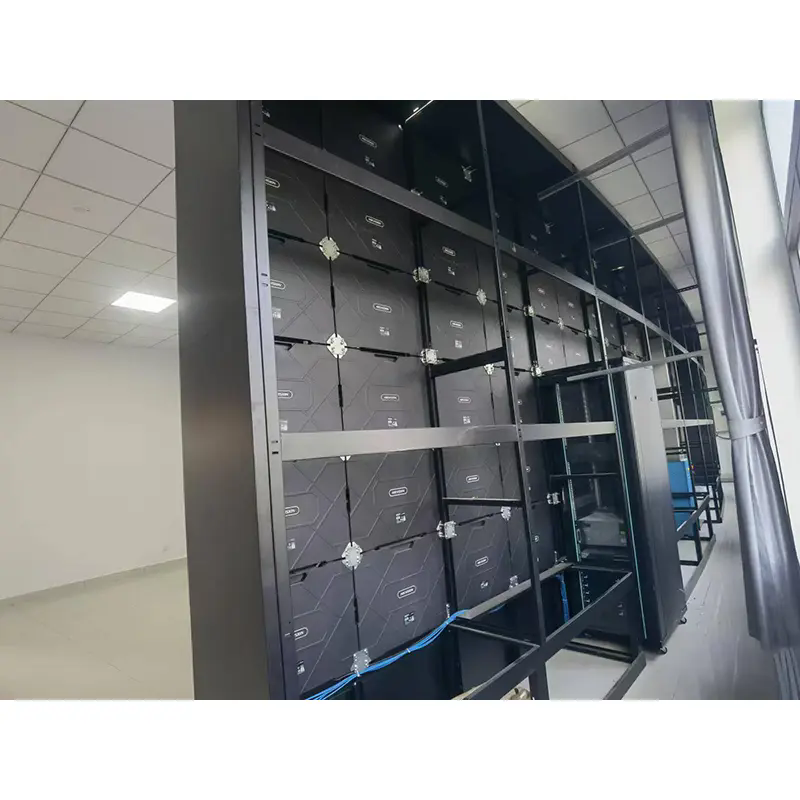
The lockable lower access door creates an organized location for power supplies, control systems, and cable connections. This makes the overall installation look more professional while providing convenient service access.
Surface Protection
Shushi describes a multi-stage surface treatment involving cleaning, phosphating, powder spraying, high-temperature curing, and cooling. The resulting coating is designed to provide adhesion, wear resistance, impact resistance, and corrosion resistance for indoor applications.
What Are the Key Specifications and Structural Details?
Because LED display projects vary significantly in screen dimensions and cabinet construction, customization is an important part of floor-stand selection. The following specifications provide a useful reference for project planning.
| Specification | Reference Requirement | Project Consideration |
|---|---|---|
| Length | Customizable | Determined by screen width and layout |
| Maximum Height | Up to 10,000 mm | Subject to structural and project requirements |
| Minimum Thickness | 200 mm | Helps accommodate structural and equipment requirements |
| Edge Banding | More than 30 mm | Supports a clean finished appearance |
| Material | Carbon steel and customizable options | Selected according to structural requirements |
| Steel Sheet Thickness | 1.0 / 1.2 / 1.5 / 2.5 mm | Selected according to structural design |
| Load Capacity | Approximately 100–1000 kg depending on model | Large displays may require reinforcement |
For buyers, these figures should be treated as project reference values rather than universal limits. Screen weight, cabinet configuration, installation height, floor conditions, and required reinforcement should be confirmed during technical design.
How Does the Modular Installation Process Work?
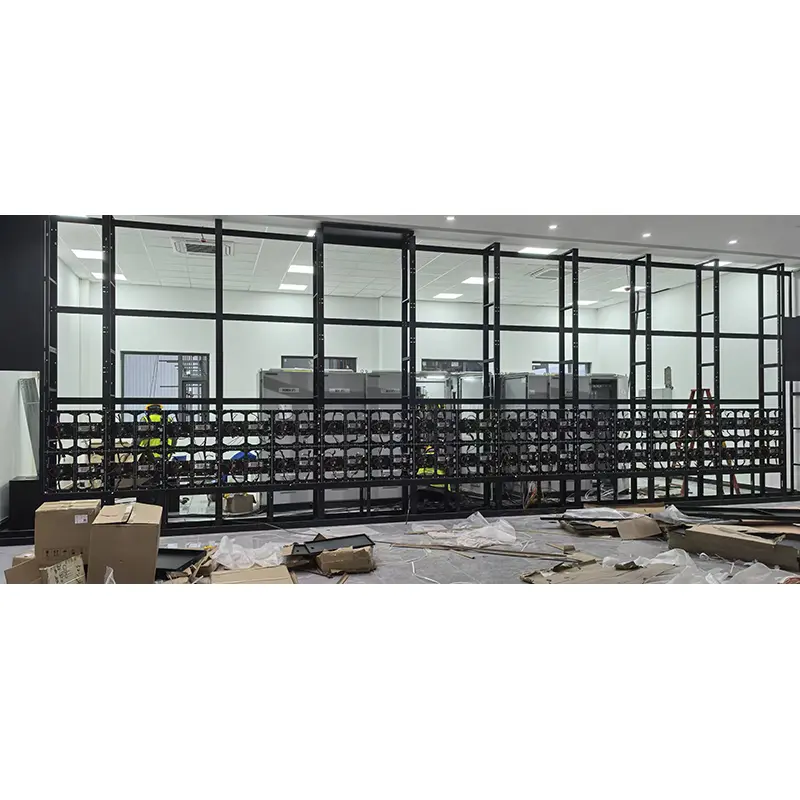
One of the key advantages of a modular LED display floor stand is simplified site installation. Instead of transporting one large welded frame into a building, installers can move smaller structural sections and assemble them at the installation location.
- Position the lower section: Place the base in the designated installation area and establish the required footprint.
- Level the structure: Use the adjustable leveling components to compensate for floor variations and establish a stable vertical reference.
- Connect the upper section: Bolt the upper supporting frame to the lower section according to the required screen configuration.
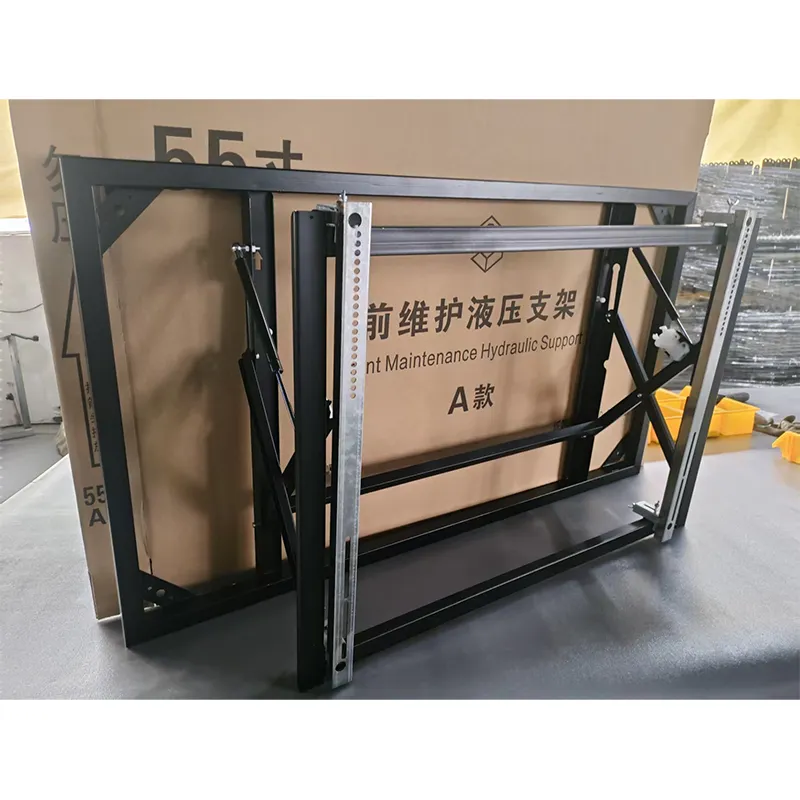
- Install adjustment brackets: Adjust the rear support points to achieve the required alignment and screen fit.
- Mount LED modules or cabinets: Install the display components according to the selected mounting configuration.
- Organize internal equipment: Route cables and position power or control equipment within the enclosed lower cabinet.
- Secure the access door: Close and lock the door after installation and electrical commissioning are completed.
This welding-free approach can reduce on-site construction work and make the structure easier to dismantle, relocate, or reuse for appropriate projects.
Where Can an LED Electronic Screen Floor Stand Be Used?
An LED Electronic Screen Floor Stand with Access Door is especially suitable for indoor commercial and professional environments where display performance and architectural appearance are equally important.
- Shopping malls: Supports advertising, promotional, and digital information displays.
- Hotels: Provides an integrated solution for reception areas, event halls, and conference spaces.
- Conference rooms: Helps create organized large-screen presentation environments.
- Exhibition halls: Modular construction makes transportation and assembly more convenient.
- School and lecture halls: Provides independent support for educational LED displays.
- Command and monitoring centers: Suitable for large-format video wall configurations.
- Transportation facilities: Can support indoor information displays in stations and terminals.
- Commercial showrooms: Combines display functionality with a cleaner architectural appearance.
The product information indicates that the current solution is intended for indoor use. Outdoor projects require a separately engineered structure and appropriate environmental protection.
What Advantages Does a Modular LED Floor Stand Offer?
For professional LED display projects, the supporting structure directly affects installation efficiency, serviceability, appearance, and long-term stability. A well-designed floor stand can therefore deliver value beyond simply holding the screen.
- Better space integration: The equipment cabinet is incorporated into the structure instead of requiring a separate cabinet.
- Improved maintenance efficiency: The access door provides a dedicated route to internal equipment.
- Reduced installation complexity: Bolt assembly eliminates the need for extensive on-site welding.
- Easier transportation: KD-style modular components are more convenient for elevators and indoor logistics.
- Reusable construction: Detachable components can be disassembled and transported for suitable temporary projects.
- Better visual presentation: Hidden wiring and customized surface treatment help create a clean appearance.
- Flexible engineering: Dimensions, structure, materials, color, and mounting configuration can be customized.
How Should Buyers Select the Right LED Screen Floor Stand?
Before purchasing an LED floor support structure from a China manufacturer or supplier, buyers should evaluate the complete installation environment rather than focusing only on price.
- Confirm screen dimensions and weight. The support structure must correspond to the actual LED display configuration.
- Check the mounting method. Determine whether the project uses magnetic modules, die-cast aluminum cabinets, or another configuration.
- Consider transportation limitations. Elevator dimensions, door widths, floor access, and installation height can affect the ideal modular design.
- Plan maintenance access. Make sure the access door provides practical access to the required equipment.
- Evaluate floor conditions. Leveling and anti-tipping requirements should be incorporated into the structural design.
- Discuss customization. For irregular displays or large video walls, provide drawings and technical requirements to the manufacturer.
- Verify packaging. Export-oriented KD packaging can help reduce transportation difficulties and protect components during shipment.
For OEM and ODM projects, technical communication before production is particularly important. A professional manufacturer can use the display dimensions, load requirements, installation environment, and preferred appearance to develop a suitable support structure.
Frequently Asked Questions
1. What screen sizes can this floor stand support?
The structure can be customized for different LED display dimensions and configurations. Large screens may require reinforced structural solutions based on their weight and installation height.
2. What is the load capacity of the LED floor stand?
The reference load range is approximately 100 kg to 1,000 kg depending on the model and design. The required capacity should be confirmed according to the actual LED screen and cabinet weight.
3. Can the LED Electronic Screen Floor Stand with Access Door be customized?
Yes. OEM and ODM customization can include dimensions, structural configuration, materials, surface treatment, color, logo, mounting method, and other project-specific requirements.
4. Does installation require on-site welding?
The modular design uses bolt assembly and is intended to support welding-free installation. This can reduce on-site construction work and simplify installation in finished commercial interiors.
5. What is the purpose of the access door?
The lockable access door provides convenient access to power supplies, control systems, and cables while keeping these components concealed and protected within the lower cabinet.
6. Can the stand be moved after installation?
Some configurations can be designed with mobility features such as casters and brakes. Whether mobility is suitable depends on the screen size, weight, stability requirements, and project environment.
7. Is this product suitable for outdoor LED displays?
The referenced product is designed for indoor applications. Outdoor LED installations require dedicated environmental protection and structural engineering, so buyers should confirm application conditions with the manufacturer.
8. How is the product packaged for export?
Shushi describes KD disassembly packaging together with bubble wrap, carton boxes, and fumigation-free wooden boxes. The modular packaging approach helps reduce package volume and facilitate international transportation.
Why Choose Shushi for LED Display Support Solutions?
Choosing the right display structure is an important part of building a reliable and visually professional LED installation. The LED Electronic Screen Floor Stand with Access Door combines independent load-bearing support, modular assembly, adjustable positioning, concealed equipment storage, and convenient maintenance access. These features make it a practical option for indoor commercial, exhibition, conference, educational, and professional display environments.
Shushi specializes in LED and LCD display mounting systems and precision metal fabrication. Its manufacturing capabilities include laser cutting, CNC bending, laser welding, and sheet-metal processing, while its product portfolio supports customized OEM and ODM projects. For buyers looking for a China LED display stand manufacturer or supplier, project-specific communication can help ensure the final structure matches screen dimensions, load requirements, installation conditions, and aesthetic expectations.
Planning an LED video wall, commercial display, exhibition project, or customized floor-mounted screen installation? Share your screen dimensions, weight, mounting configuration, and installation requirements with Shushi to discuss a suitable structural solution. For customized LED display support systems, OEM/ODM manufacturing, or technical consultation, contact us today and let Shushi help you develop a stable, practical, and professional display mounting solution.