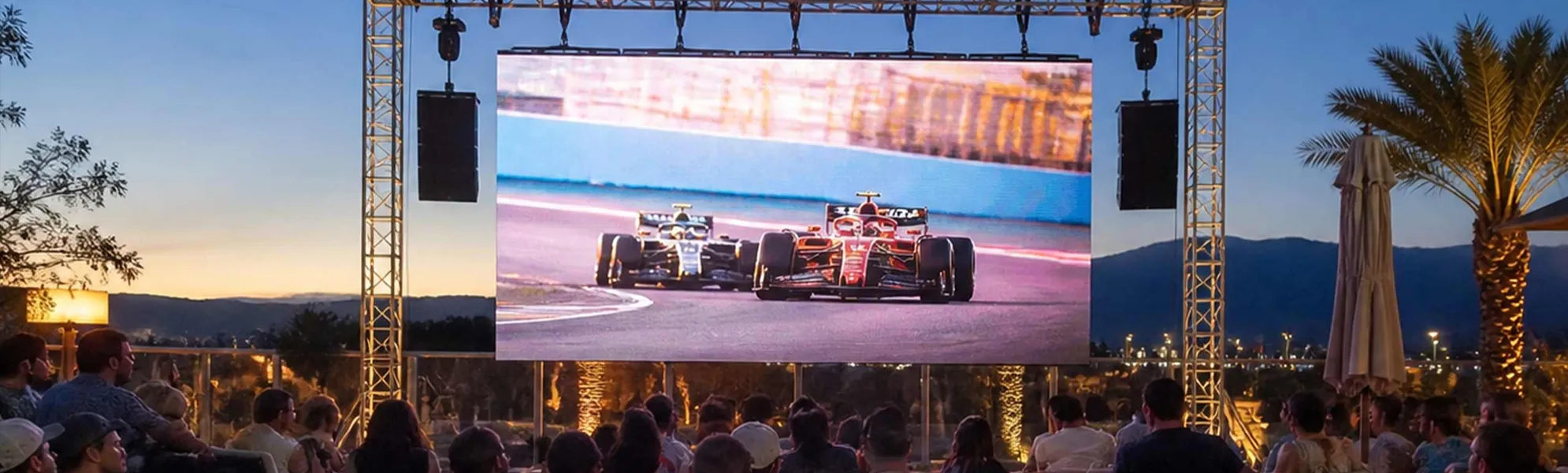
How Does an LED Display Curved Bracket Improve Large-Screen Installation?
Article Summary: An LED display can create a powerful visual impact, but achieving a stable, accurate, and visually seamless curved installation requires more than selecting the right screen. The support structure plays a critical role in maintaining curvature, load distribution, alignment, safety, and long-term serviceability. An LED Display Curved Bracket provides a dedicated structural solution for concave, convex, cylindrical, circular, and wave-shaped LED displays. This article explains how curved brackets work, what design factors matter, how to select the right structure, and how a properly engineered bracket can reduce installation difficulties and maintenance problems.
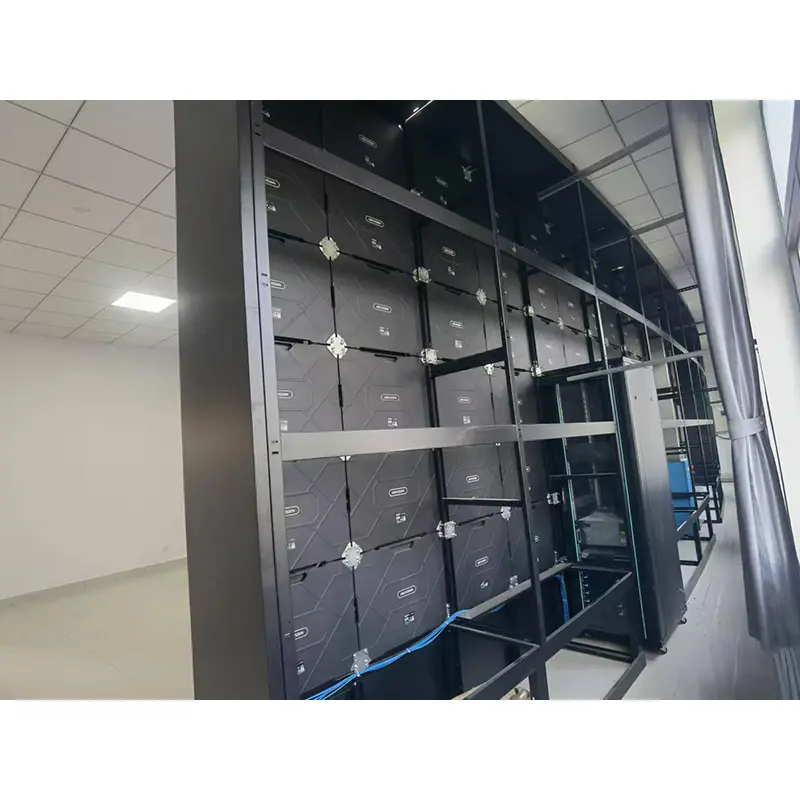
Table of Contents
- 1. What Is an LED Display Curved Bracket?
- 2. Why Is a Curved Bracket Important for LED Display Installation?
- 3. How Is an LED Display Curved Bracket Structured?
- 4. How Does the Bracket Support Different Screen Curvatures?
- 5. What Should You Consider When Selecting a Curved Bracket?
- 6. How Can Installation Be Made Faster and More Reliable?
- 7. Which Materials and Surface Treatments Are Suitable?
- 8. Where Are LED Display Curved Brackets Commonly Used?
- 9. What Installation Problems Can a Curved Bracket Solve?
- 10. How Does Shushi Approach Customized Curved Display Support?
- 11. How Can You Maintain a Curved LED Display Support System?
- 12. Conclusion
- 13. FAQ
1. What Is an LED Display Curved Bracket?
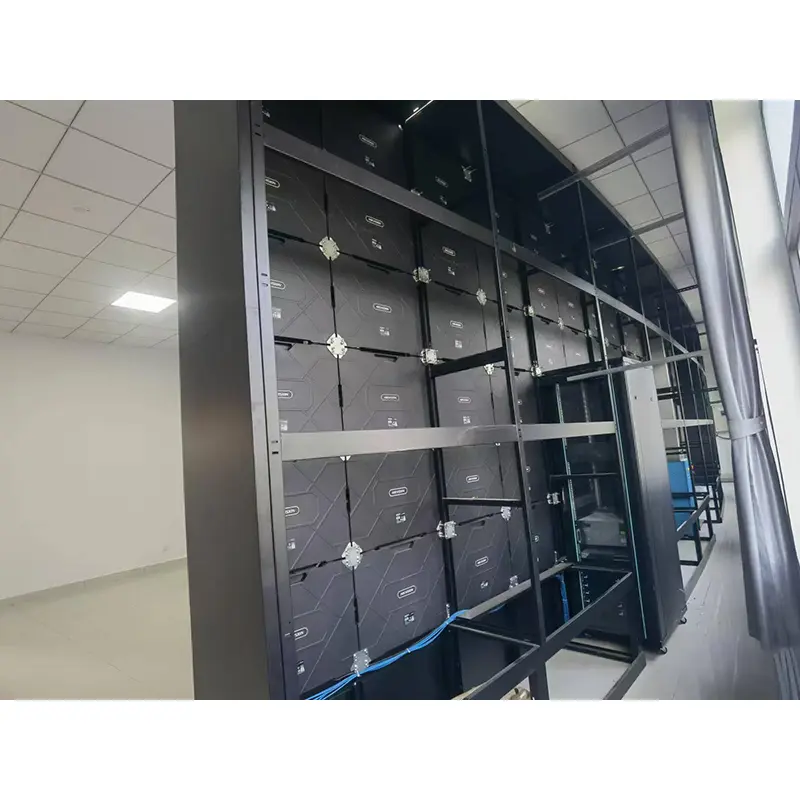
An LED Display Curved Bracket is a specialized structural support system designed to hold LED display modules or cabinets along a predetermined curved profile. Unlike a conventional flat display mounting frame, a curved bracket must maintain the required radius while distributing the screen load evenly across multiple structural points.
The bracket may incorporate a metal frame, base, connectors, adjustment components, mounting seats, and other structural parts. Depending on the project, the support can be designed as a fixed floor-standing structure, detachable assembly, mobile system, or customized installation frame.
The main purpose is not simply to hold the screen upright. A properly engineered curved support must help achieve:
- Accurate screen curvature
- Stable load-bearing performance
- Consistent module alignment
- Reliable vertical positioning
- Convenient installation and adjustment
- Accessible maintenance space
- Integration with the surrounding architecture
For projects involving creative digital signage, immersive displays, exhibition installations, command centers, transportation facilities, or commercial interiors, these structural details can have a direct effect on the final appearance and operational reliability of the LED screen.
2. Why Is a Curved Bracket Important for LED Display Installation?
A curved LED screen can look simple after installation, but the supporting structure behind it must accommodate several engineering requirements simultaneously. A small deviation in the support frame can become visible when multiple LED modules are joined together.
Maintaining Curvature Accuracy
The support frame establishes the physical path followed by the LED display. If the bracket does not accurately reproduce the intended radius, individual modules may sit at inconsistent angles. This can create visible transitions, uneven gaps, or an irregular overall shape.
Managing the Display Load
LED cabinets and modules have considerable weight, particularly when a display becomes large. The support structure must transfer this load safely toward the base or building structure. Load distribution is therefore an important consideration when determining frame dimensions, connection points, base configuration, and reinforcement requirements.
Improving Screen Alignment
Curved displays require more precise alignment than ordinary flat installations. A suitable bracket provides controlled mounting positions and adjustment points, allowing technicians to correct height, depth, verticality, and cabinet positioning during installation.
Reducing Installation Difficulties
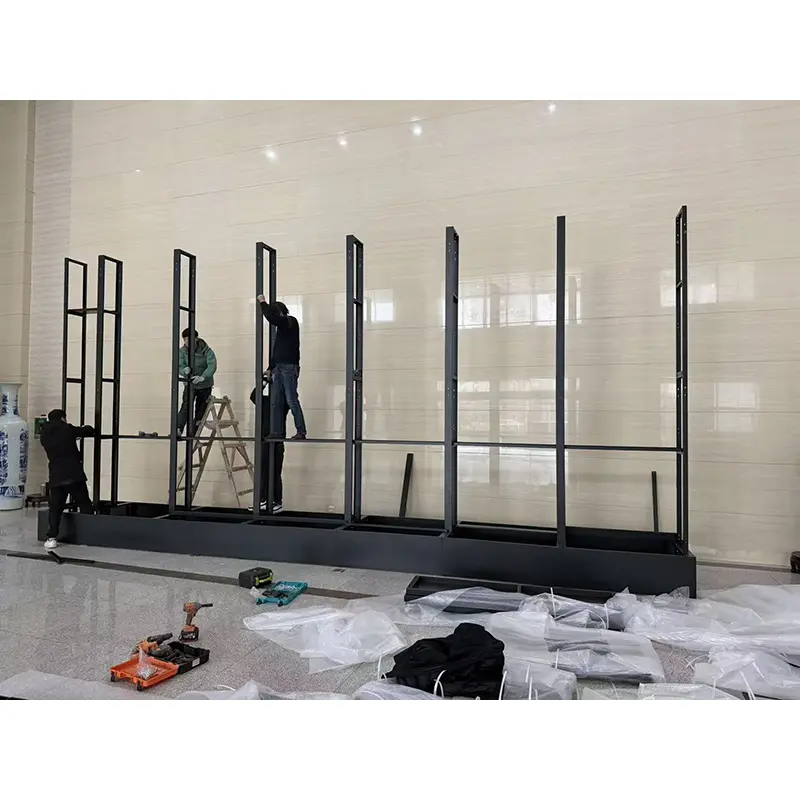
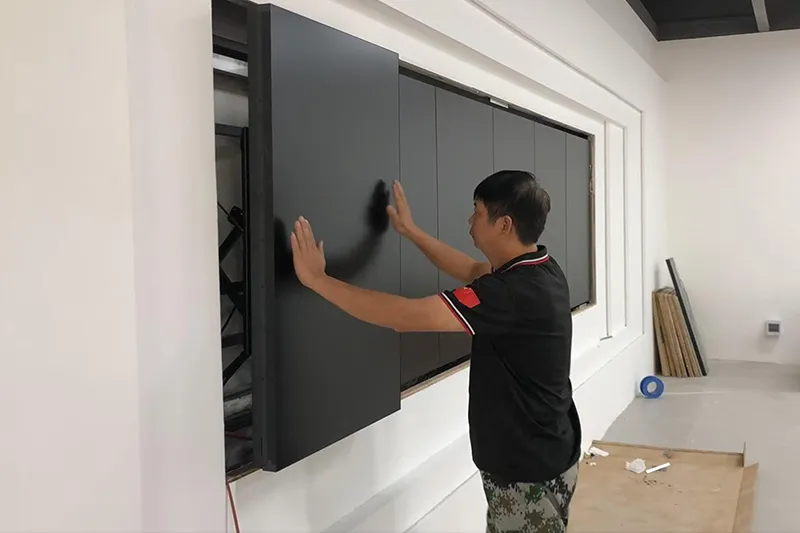
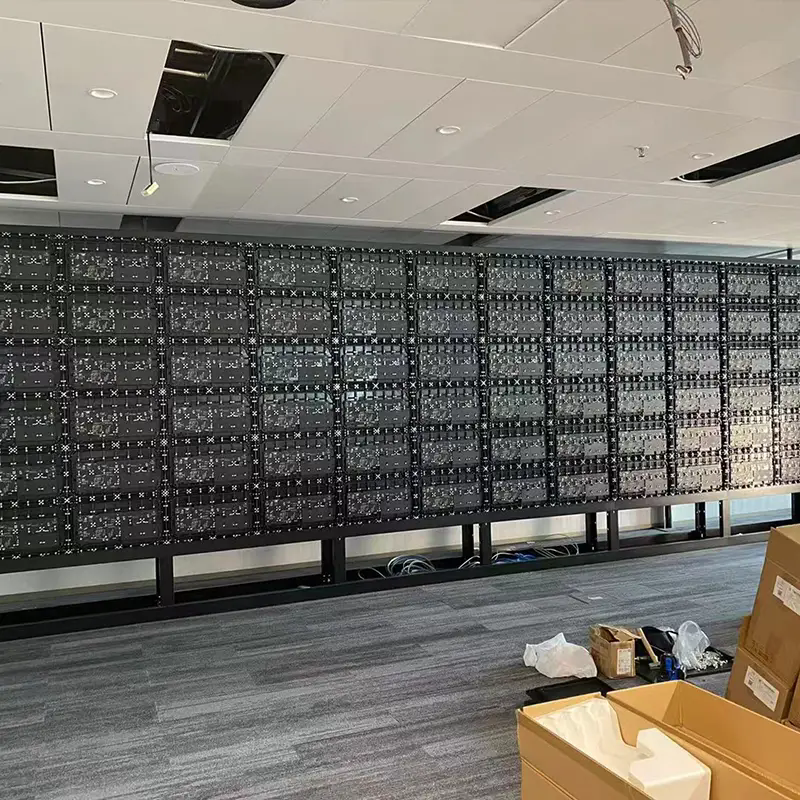
A poorly designed support system can result in excessive welding, repeated measurements, difficult transportation, and long installation periods. A modular structure can simplify assembly and allow components to be transported in smaller sections before being connected on site.
3. How Is an LED Display Curved Bracket Structured?
The exact configuration depends on the screen size, curvature, installation environment, and cabinet design. However, a typical system may contain several functional elements.
| Component | Primary Function | Important Consideration |
|---|---|---|
| Base | Transfers the display load to the floor | Stability and anti-tipping performance |
| Main Frame | Provides the primary structural support | Strength, rigidity, and dimensional accuracy |
| Connectors | Join individual structural sections | Reliable fastening and repeatable assembly |
| Adjustment Components | Correct level, height, depth, or alignment | Sufficient adjustment travel |
| Mounting Seats | Connect the display structure to the support frame | Compatibility with cabinet dimensions |
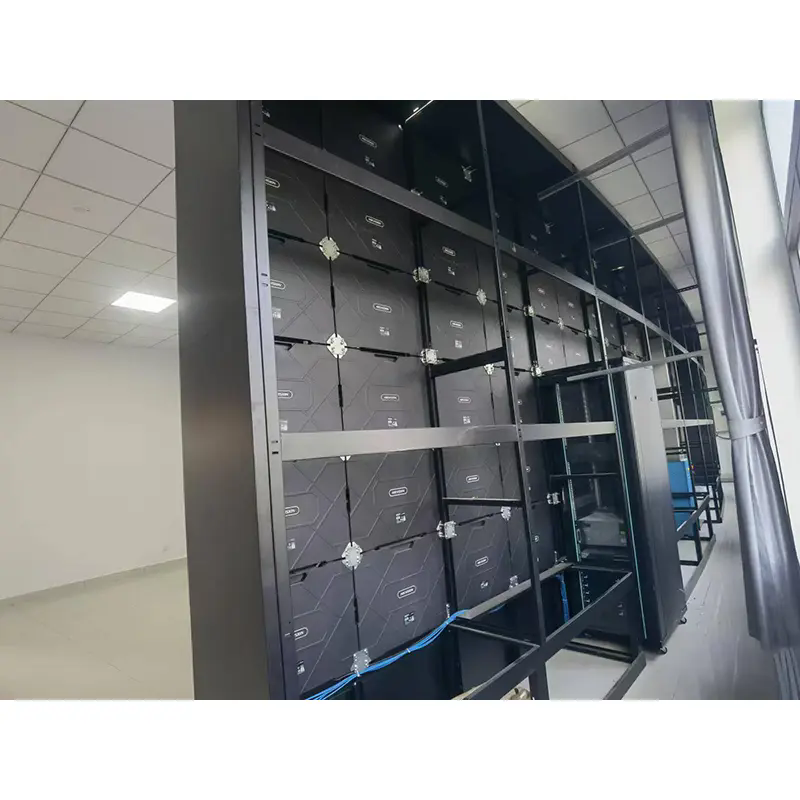
| Access Area | Provides room for equipment and maintenance | Service accessibility and cable organization |
For example, a floor-standing configuration can use an upper and lower structural assembly connected by fasteners. Leveling components at the bottom can help compensate for small floor irregularities, while adjustable mounting elements can accommodate differences in display thickness.
This type of architecture is particularly useful when the installation location cannot be modified extensively or when the display needs to remain an independent structure.
4. How Does the Bracket Support Different Screen Curvatures?
Curvature is one of the most important differences between a standard display bracket and an LED Display Curved Bracket. The support system must be designed around the actual geometry of the LED display rather than forcing a curved screen onto a generic flat frame.
Concave LED Displays
A concave screen curves inward toward the viewing area. The bracket must follow the specified inward radius while keeping mounting points consistent along the structure. This configuration is often selected for immersive environments and spaces where viewers are positioned close to the screen.
Convex LED Displays
A convex configuration curves outward. It can provide broad viewing coverage and can be useful when the display is intended to attract attention from multiple directions.
Cylindrical Displays
A cylindrical LED display requires a continuous or segmented support geometry. The frame must account for the circumference and cabinet dimensions while maintaining consistent structural connections.
Wave and Special-Shaped Displays
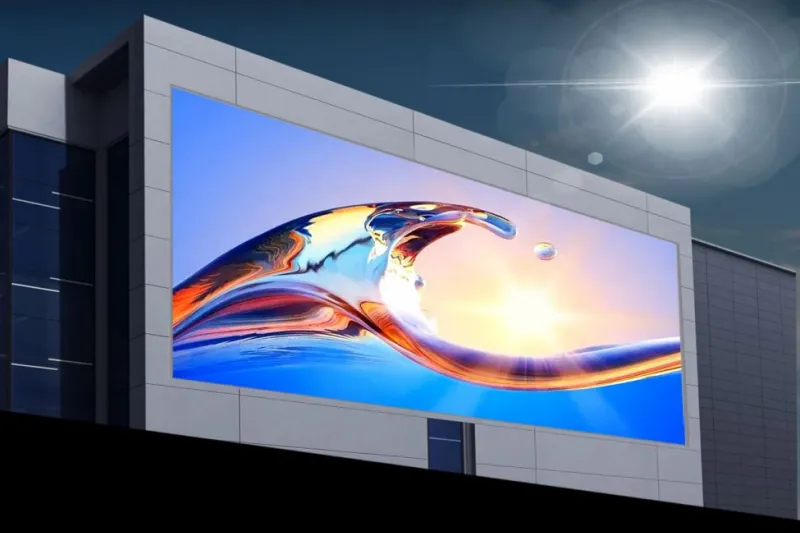
Wave-shaped installations introduce continuously changing angles. In such projects, the bracket design should be developed according to the intended profile instead of relying on a standard radius.
Before manufacturing, the following information should be confirmed:
- Screen width and height
- Cabinet or module dimensions
- Required curvature radius
- Concave, convex, cylindrical, or special-shaped geometry
- Total display weight
- Installation height
- Indoor or outdoor environment
- Floor and wall conditions
- Required access for maintenance
5. What Should You Consider When Selecting a Curved Bracket?
Choosing a bracket based only on screen size can create problems later. The support system should be evaluated as part of the complete display installation.
| Selection Factor | Why It Matters |
|---|---|
| Display Weight | Determines structural strength and base requirements. |
| Screen Dimensions | Influences frame height, width, and support spacing. |
| Curvature Radius | Determines the geometry of the curved support. |
| Cabinet Type | Ensures mounting points match the display structure. |
| Installation Location | Determines whether fixed, mobile, indoor, or outdoor construction is appropriate. |
| Adjustment Requirements | Allows technicians to correct leveling and alignment during assembly. |
| Maintenance Access | Prevents service work from being unnecessarily difficult. |
| Transportation | Knocked-down structures can reduce handling and shipping challenges. |
Load capacity should also be evaluated according to the complete project rather than relying on a generic rating. The screen, mounting hardware, environmental conditions, safety factor, and structural configuration all influence the appropriate design.
6. How Can Installation Be Made Faster and More Reliable?
Installation efficiency is especially important for contractors working in commercial buildings, exhibitions, shopping centers, airports, transportation hubs, and other locations where construction time is limited.
A modular curved support can offer several practical advantages:
- Smaller transportation sections: Long structures can be divided into manageable components.
- Faster on-site assembly: Mechanical fastening can reduce dependence on field welding.
- Adjustable leveling: Leveling hardware can compensate for minor floor variations.
- Controlled alignment: Mounting points can be adjusted before final tightening.
- Reduced finishing work: Factory-applied surface treatment can minimize on-site painting.
For large installations, transportability should be considered during the design stage. Shushi's product information describes sectional construction in which individual sections can be handled more easily and assembled on site. This approach can be useful when components need to pass through elevators, corridors, doors, or restricted access areas.
Installation should still be performed according to the final engineering drawings and the requirements of the actual display manufacturer. A bracket should never be treated as a universal substitute for project-specific structural verification.
7. Which Materials and Surface Treatments Are Suitable?
Material selection depends heavily on the operating environment, required strength, corrosion exposure, weight limitations, and project budget.
| Material | Typical Advantage | Potential Application |
|---|---|---|
| Carbon Steel | High strength and economical fabrication | Fixed indoor display structures |
| Galvanized Steel | Improved resistance to corrosion | Outdoor or humid environments |
| Stainless Steel | Strong corrosion resistance and clean appearance | High-end or demanding environments |
| Aluminum Alloy | Lower structural weight | Portable and rental display systems |
Surface treatment is another important consideration. Powder coating can provide a finished appearance while improving resistance to wear and environmental exposure. Shushi describes a multi-stage preparation and electrostatic powder-coating process for its structural products, with customized colors available for projects requiring visual coordination with surrounding decoration.
For outdoor projects, the material and coating specification should be selected according to local humidity, rainfall, temperature variation, salt exposure, wind conditions, and expected service life.
8. Where Are LED Display Curved Brackets Commonly Used?
The flexibility of curved LED display structures makes them suitable for a broad range of environments.
- Shopping malls: Curved advertising screens can become prominent visual features in atriums and commercial areas.
- Hotels: Lobby displays can combine digital information with architectural decoration.
- Exhibition halls: Modular supports allow creative screen configurations for temporary or semi-permanent installations.
- Conference rooms: Curved displays can provide a wide visual area for presentations and collaboration.
- Lecture halls: Large screens can improve visibility for audiences seated across a broad viewing angle.
- Stadiums: Large-format digital signage can be integrated into public-facing environments.
- Airports and railway stations: Curved digital signage can support information delivery and advertising.
- Command centers: Large curved display walls can create an immersive monitoring environment.
- Schools and institutions: Digital information displays can be integrated into reception and public spaces.
For outdoor applications, additional environmental considerations such as wind loading, corrosion protection, anchoring, drainage, and temperature should be addressed during engineering.
9. What Installation Problems Can a Curved Bracket Solve?
Many LED display problems that appear to be screen-related actually originate from the supporting structure. A properly designed bracket can address several common installation challenges.
Problem 1: Uneven Curvature
If mounting points do not follow the intended radius, the finished display may look irregular. A project-specific curved frame establishes a consistent structural reference.
Problem 2: Floor Irregularities
Even a professionally constructed floor may contain small variations in level. Adjustable feet or leveling components can help compensate for these differences.
Problem 3: Difficult Transportation
Large welded frames can be difficult to move through elevators, doors, and narrow corridors. A knock-down modular design can make transportation and on-site handling easier.
Problem 4: Limited Maintenance Space
LED screens require access for module replacement, cable inspection, controller servicing, and other maintenance operations. The support structure should therefore account for service requirements rather than focusing only on installation.
Problem 5: Poor Visual Integration
An exposed metal structure may conflict with interior decoration. Customized dimensions and surface finishes can help the support system blend into the architectural environment.
Problem 6: Insufficient Stability
Large screens create significant structural demands. A suitable base, reinforcement strategy, and anti-tipping design are essential for applications where people are nearby.
10. How Does Shushi Approach Customized Curved Display Support?
Shushi specializes in display mounting systems and provides customized curved LED display support solutions for wholesalers, distributors, contractors, and project customers.
Rather than treating every curved screen as the same product, customization can address differences in screen dimensions, cabinet construction, curvature, material, color, mounting method, and installation environment.
The company's product information indicates that its curved bracket solutions can accommodate different LED module and die-cast aluminum cabinet configurations. The structure can also be adapted for concave, convex, special-shaped, and wave-style displays.
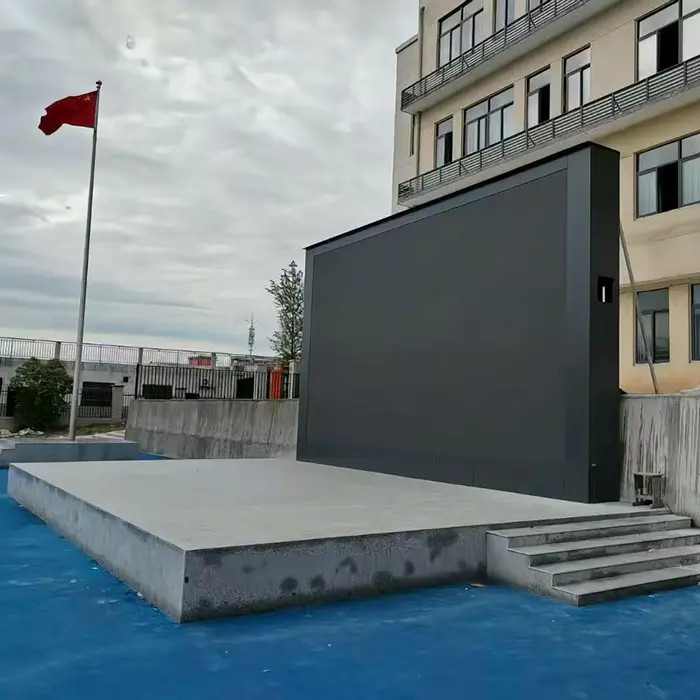
For projects requiring independent floor-standing support, a dedicated base can provide the structural foundation without relying entirely on an existing wall. For other applications, adjustable mounting elements can help achieve the required screen position and alignment.
Shushi also supports OEM and ODM requirements, including customized dimensions, structural configurations, materials, surface treatments, colors, and logos. This can be particularly useful for distributors and contractors who need a bracket design that matches their own project specifications.
When discussing a customized order, it is useful to provide the supplier with complete technical information, including:
- LED screen drawings or cabinet dimensions
- Total screen weight
- Overall screen dimensions
- Curvature radius or 3D profile
- Installation environment
- Required support height
- Floor and wall conditions
- Preferred material
- Surface color and finish
- Maintenance requirements
The more accurately these conditions are defined before fabrication, the easier it becomes to develop a support system that fits the actual project.
11. How Can You Maintain a Curved LED Display Support System?
A robust bracket should require relatively little maintenance, but periodic inspection is still recommended, particularly for large or publicly accessible displays.
- Check fasteners: Inspect accessible bolts, screws, and mechanical connections for loosening.
- Inspect the base: Confirm that the support remains level and stable.
- Check for corrosion: Pay particular attention to outdoor installations and areas exposed to moisture.
- Inspect the screen alignment: Look for unexpected movement, gaps, or changes in curvature.
- Review mounting points: Confirm that cabinet connections remain secure.
- Keep service areas accessible: Avoid storing unrelated equipment around the structural base.
- Inspect mobile systems: For caster-equipped structures, check wheel locking mechanisms and mobility components.
Any structural deformation, significant corrosion, unexpected movement, or change in screen geometry should be investigated promptly by qualified personnel.
12. Conclusion
An LED display is only as reliable as the system supporting it. For curved installations, the bracket must do more than carry weight: it must establish the correct geometry, distribute loads, facilitate alignment, support safe installation, and allow practical maintenance.
The right LED Display Curved Bracket can make a significant difference when a project involves concave, convex, cylindrical, circular, wave-shaped, or other customized LED screens. Important selection criteria include structural capacity, curvature accuracy, cabinet compatibility, adjustment capability, material, corrosion protection, transportation requirements, and installation environment.
For contractors, distributors, and display integrators, working with a manufacturer capable of adapting the support structure to the actual screen configuration can reduce installation uncertainty and improve the final appearance of the project.
Shushi provides customized LED display mounting solutions designed around different screen geometries, installation conditions, and project requirements. If you are planning a curved LED display project and need help selecting dimensions, materials, structure, or mounting configuration, contact us to discuss your requirements and develop a suitable curved bracket solution.
13. FAQ
What is an LED Display Curved Bracket used for?
An LED Display Curved Bracket is used to support LED modules or cabinets along a curved profile. It helps maintain the required screen geometry while providing structural stability and mounting adjustment.
Can a curved bracket support both concave and convex LED screens?
Yes. A customized support structure can be designed for concave, convex, cylindrical, circular, wave, and other special-shaped LED displays, provided the screen geometry and mounting requirements are known in advance.
Can the bracket be customized for different LED cabinet sizes?
Yes. The mounting structure can be adapted according to cabinet dimensions, screen weight, connection locations, curvature, and installation conditions. Shushi provides customized OEM and ODM solutions for different project requirements.
How much weight can an LED curved bracket support?
Load capacity depends on the structural configuration, material, base design, support spacing, screen dimensions, and installation environment. Standard and reinforced configurations can be developed according to the actual display load rather than using one universal rating.
Can an LED curved bracket be used outdoors?
Yes, outdoor versions can be designed with appropriate materials, protective coatings, structural reinforcement, anchoring, and environmental considerations. Wind loading and local installation conditions should be evaluated before finalizing the design.
Is a curved LED bracket difficult to install?
A modular, factory-fabricated structure can significantly simplify installation compared with a large custom frame fabricated entirely on site. Proper leveling, fastening, alignment, and adherence to the installation drawings remain essential.
Can the bracket be moved after installation?
Some configurations can incorporate lockable casters for applications such as exhibitions and temporary events. Fixed floor-standing designs are more appropriate when long-term stability is the primary requirement.
Which material is best for a curved LED bracket?
There is no single material that is best for every project. Carbon steel is suitable for many fixed structures, galvanized steel can provide additional corrosion resistance, stainless steel is useful for demanding environments, and aluminum alloy can reduce structural weight where portability is important.
How should I provide information for a customized bracket?
Provide the screen dimensions, cabinet drawings, total weight, curvature radius, installation location, desired height, mounting method, material preference, surface finish, and maintenance requirements. Detailed technical information allows the manufacturer to evaluate the structure more accurately.
Why choose Shushi for a curved LED display support project?
Shushi focuses on display mounting structures and can provide customized solutions covering dimensions, structural configuration, material selection, surface treatment, color, and other project-specific requirements. Its curved display bracket solutions are designed for applications ranging from commercial interiors to large public display projects.
Planning a curved LED display installation? A well-designed support structure can simplify transportation, installation, alignment, and future maintenance while helping the finished screen achieve a clean architectural appearance. Contact us today to discuss your LED Display Curved Bracket requirements with Shushi.
Related News
- How Can an LED Electronic Screen Floor Stand with Access Door Improve Large-Display Installation
- How Does a Motorized Hydraulic Bracket Improve Display Installation Efficiency?
- How Does a General Purpose Outdoor Enclosure Protect Outdoor Equipment?
- How Does an LED Display Mount Improve Installation Efficiency and Display Performance?
- How Does an LCD Display Mount Improve Display Installation and User Experience?
- What Are Outdoor Cabinets and Why Are They Important for Electronic Equipment Protection?
Leave me a message