What Are Outdoor Cabinets and Why Are They Important for Electronic Equipment Protection?
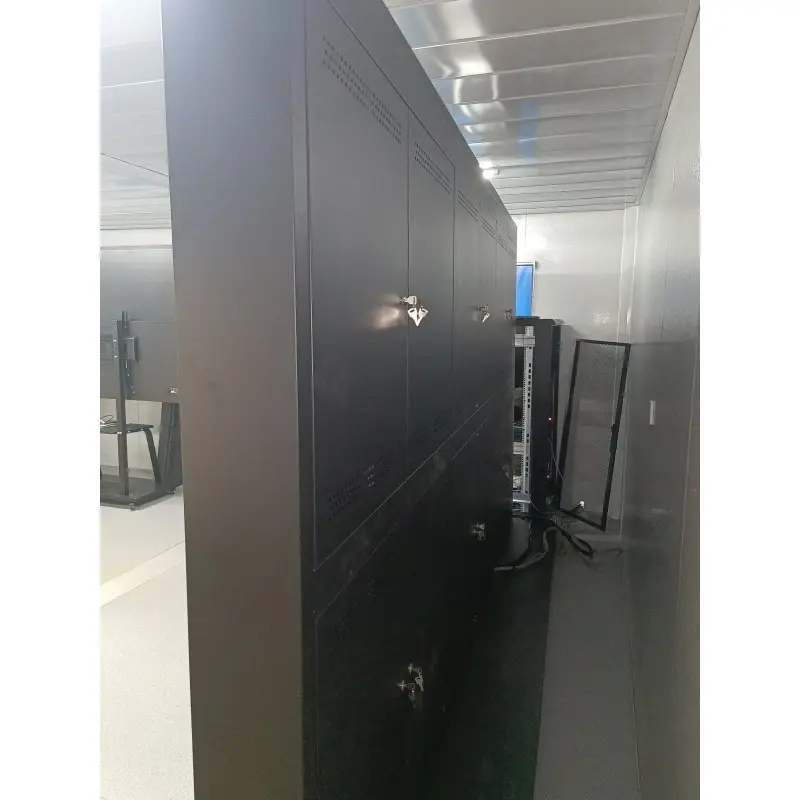
Outdoor cabinets are specialized enclosures designed to house and protect electronic equipment in exterior environments. They serve as a protective shield against a wide array of environmental threats, including rain, snow, dust, extreme temperatures, UV radiation, and physical vandalism. Unlike indoor cabinets, which operate in controlled climate conditions, Outdoor Cabinets are engineered to meet rigorous standards for weather resistance, thermal management, and mechanical strength. They are commonly used to house telecommunications equipment, networking gear, power distribution components, industrial controllers, and surveillance systems. At Anhui Shushi Technology Co., Ltd., our factory has been manufacturing high-quality Outdoor Cabinets for over 15 years, and we have seen firsthand how a well-designed cabinet can extend the lifespan of sensitive electronics from a few years to over two decades. This article provides a comprehensive overview of what Outdoor Cabinets are, why they are indispensable for electronic equipment protection, and the critical design features that ensure reliability in the harshest outdoor conditions.
But why are Outdoor Cabinets so important for electronic equipment protection? The answer lies in the vulnerability of electronics to environmental stressors. Even a brief exposure to moisture can cause short circuits, corrosion, and catastrophic failure. Temperature fluctuations can lead to condensation, which is equally damaging. Dust and particulate matter can clog cooling fans and insulate components, causing overheating. Physical impacts from vandalism or accidental collision can damage sensitive circuit boards. Outdoor Cabinets address all these threats through a combination of robust construction, sealing technology, climate control systems, and security features. They provide a stable micro-environment that allows sensitive electronics to operate reliably, regardless of what is happening outside. In this comprehensive guide, we will explore the specific threats that Outdoor Cabinets protect against, the technical specifications that define their performance, and the best practices for selecting and maintaining these critical enclosures.
Table of Contents
- 1. What Environmental Threats Do Outdoor Cabinets Protect Against?
- 2. How Do Outdoor Cabinets Provide Thermal Management and Climate Control?
- 3. What Are the Key Technical Specifications of Our Outdoor Cabinets?
- 4. How Can Proper Installation and Maintenance Maximize Protection?
- Frequently Asked Questions (FAQ)
- Conclusion and Custom Cabinet Consultation
What Environmental Threats Do Outdoor Cabinets Protect Against?
Electronic equipment placed outdoors faces a relentless onslaught of environmental stressors that can degrade performance and cause premature failure. Outdoor Cabinets are designed to counter each of these threats through specific engineering features. Understanding the nature of these threats is essential for specifying the correct cabinet for any application. At Anhui Shushi Technology Co., Ltd., our factory has categorized the primary environmental threats into six categories, and our Outdoor Cabinets are engineered to address each one effectively. This section examines these threats and the protective mechanisms integrated into our cabinets.
Primary environmental threats and how our Outdoor Cabinets mitigate them:
- Moisture and water ingress: Rain, snow, and humidity are the most common and destructive threats to outdoor electronics. Water can cause short circuits, corrosion of contacts, and degradation of insulation. Our Outdoor Cabinets feature sealed enclosure designs with IP (Ingress Protection) ratings of up to IP66, meaning they are dust-tight and protected against powerful water jets. The enclosures incorporate water-shedding roofs, drip channels, and marine-grade gaskets to prevent any water entry.
- Dust and particulates: Airborne dust, sand, and salt (in coastal areas) can infiltrate equipment, clogging cooling systems and causing abrasive wear. Our Outdoor Cabinets use filtered ventilation systems and positive pressure designs to minimize dust ingress. For high-dust environments, we offer cabinets with totally enclosed, non-ventilated designs that rely on conduction or heat exchanger cooling.
- Solar radiation and UV degradation: Prolonged exposure to sunlight can cause UV degradation of polymers, leading to cracking, yellowing, and loss of structural integrity. Our Outdoor Cabinets are finished with UV-stabilized powder coatings and are available in light-reflective colors to reduce solar heat gain. The cabinet roofs are designed with an air gap to reduce heat transfer from direct sunlight.
- Extreme temperatures: Both high and low temperatures stress electronic components. High temperatures accelerate chemical reactions and reduce component life; low temperatures can cause condensation or make some materials brittle. Our Outdoor Cabinets feature thermal management systems—including fans, air conditioners, heat exchangers, or heaters—to maintain the internal temperature within the equipment's specified operating range. For high-temperature environments, we offer cabinets with solar shades and forced-air cooling.
- Mechanical impacts and vandalism: Outdoor enclosures must resist physical impacts from accidental collisions (e.g., vehicles) or deliberate vandalism. Our Outdoor Cabinets are constructed from heavy-gauge steel (galvanized or stainless) with impact-resistant panels. For high-risk areas, we offer reinforced cabinets with bullet-resistant glass windows and anti-tamper locks.
- Corrosion and chemical attack: In industrial areas or coastal regions, airborne chemicals, salt spray, and pollutants can corrode cabinet materials and electronics. Our Outdoor Cabinets are made from corrosion-resistant materials, including hot-dip galvanized steel, stainless steel (304 or 316L), and aluminum with anodized surfaces. We also offer special coatings for chemical resistance.
A real-world example illustrates the importance of these protective features. A telecom provider installed a network node in a coastal area without using a dedicated Outdoor Cabinet. Within 18 months, the equipment failed due to salt corrosion. After replacing the equipment and installing our IP66-rated Outdoor Cabinet with a heat exchanger and stainless steel construction, the equipment operated for over 8 years without any weather-related failures. The cabinet's combination of ingress protection, corrosion resistance, and thermal management proved critical to the system's reliability. This case underscores that Outdoor Cabinets are not an optional accessory but an essential investment for ensuring the longevity of outdoor electronic infrastructure.
How Do Outdoor Cabinets Provide Thermal Management and Climate Control?
Thermal management is one of the most critical functions of an Outdoor Cabinet. Electronic equipment generates heat during operation, and if this heat is not dissipated effectively, internal temperatures can rise to levels that exceed the equipment's operating limits, leading to reduced performance, shortened lifespan, or catastrophic failure. Conversely, in cold climates, the cabinet may need to provide heat to prevent condensation or ensure that the equipment operates within its specified low-temperature range. Our Outdoor Cabinets incorporate a range of thermal management solutions, from passive to active, depending on the heat load and environmental conditions. At Anhui Shushi Technology Co., Ltd., our factory offers a comprehensive thermal management selection tool that matches the cooling or heating capacity to the specific equipment and site conditions.
Thermal management features available in our Outdoor Cabinets:
- Passive cooling (convection and heat sinks): For low-power equipment (heat dissipation less than 200 W), our Outdoor Cabinets rely on natural convection and built-in heat sinks. The cabinet design includes vented louvers (with dust filters) and a chimney effect to promote airflow. Heat sinks are mounted on the cabinet's exterior to transfer heat from internal components to the outside.
- Forced air cooling (fans): For moderate heat loads (200-800 W), we equip our Outdoor Cabinets with thermostatically controlled fans. The fans draw cool air from the bottom and exhaust hot air from the top, maintaining a uniform internal temperature. The fan units are protected with IP55-rated filters to prevent dust ingress.
- Air conditioning (active cooling): For high heat loads (above 800 W) or very hot environments (ambient temperatures above 40°C), our Outdoor Cabinets are fitted with compact, energy-efficient air conditioners. These units can cool the cabinet interior to maintain a temperature of 25-30°C, even when external temperatures exceed 50°C. Our air conditioners are designed for outdoor use, with corrosion-resistant coils and condensate management systems.
- Heat exchanger (air-to-air): For environments where energy efficiency is paramount, we offer air-to-air heat exchangers that transfer heat from inside the cabinet to the outside without using a compressor. These are ideal for moderate heat loads and temperatures, providing effective cooling with low power consumption.
- Heaters (for cold climates): In regions where temperatures drop below -20°C, our Outdoor Cabinets include thermostatically controlled heaters to maintain internal temperatures above the dew point, preventing condensation and ensuring the equipment operates correctly. The heaters are typically mounted on the cabinet's base and are protected from accidental contact.
To illustrate the importance of proper thermal management, consider a case study from a power utility company. They installed a remote control system in an Outdoor Cabinet without active cooling, located in a desert region where summer temperatures exceed 45°C. Within six months, the system began experiencing random resets and communication errors. After installing our Outdoor Cabinet with a 1.5 kW air conditioner, the internal temperature was stabilized at 28°C, and the system operated flawlessly for three years. The air conditioner's energy consumption was minimal compared to the cost of equipment failure and service calls. This case demonstrates that thermal management is not just about comfort for electronics; it is a fundamental requirement for reliability and operational continuity.
Our factory at Shushiperforms detailed thermal simulations for each Outdoor Cabinet configuration to ensure that the chosen cooling or heating solution is adequate for the specified heat load and ambient conditions. We use computational fluid dynamics (CFD) modeling to optimize the airflow path and component placement, ensuring that hot spots are eliminated. For custom projects, we conduct on-site temperature logging to validate the thermal model and adjust the cooling capacity if necessary. This rigorous approach ensures that your sensitive electronics are protected from thermal stress, regardless of the climate.
What Are the Key Technical Specifications of Our Outdoor Cabinets?
Anhui Shushi Technology Co., Ltd. manufactures a comprehensive range of Outdoor Cabinets designed to meet the diverse needs of telecommunications, power distribution, industrial control, and security applications. Our cabinets are available in a variety of sizes, materials, and cooling options to suit different site conditions and equipment loads. The table below summarizes the key specifications for our most popular Outdoor Cabinet models, which are used in projects worldwide. Our factory can also produce custom-sized cabinets to meet specific project requirements.
| Model | Dimensions (H x W x D) mm | Material | IP Rating | Cooling Type | Cooling Capacity (W) | Heater Power (W) | Weight (kg) | Application |
| AS-600S | 600 x 600 x 450 | Galvanized steel (1.5mm) | IP65 | Passive + fan | 200 W | 50 W | 45 | Small telecom nodes, sensors |
| AS-800M | 800 x 800 x 550 | Galvanized steel (2.0mm) | IP66 | Heat exchanger | 600 W | 100 W | 78 | Network hubs, control systems |
| AS-1000L | 1000 x 1000 x 600 | Stainless steel (304) | IP66 | Air conditioner | 1500 W | 200 W | 125 | Power distribution, heavy telecom |
| AS-1200XL | 1200 x 1200 x 700 | Stainless steel (316L) | IP66 | Air conditioner (dual) | 3000 W | 300 W | 185 | Industrial automation, heavy-duty |
| AS-600C (compact) | 450 x 450 x 300 | Aluminum | IP67 | Passive | 100 W | 30 W | 22 | Cameras, Wi-Fi access points |
In addition to the standard models, our factory offers a wide range of optional features to customize Outdoor Cabinets for specific applications. These include:
- Solar radiation shields (sunshades) to reduce thermal load
- Double-walled construction for enhanced thermal insulation
- EMI/RFI shielding for electromagnetic compatibility
- Built-in surge protection and lightning arrestors
- Access control systems (biometric, keypad, or RFID)
- Remote monitoring (temperature, humidity, door status)
- Cable entry systems with strain relief and grounding
All our Outdoor Cabinets undergo a rigorous quality control process, including a pressure test to verify sealing integrity, a thermal cycle test, and a vibration test for transport simulation. We provide a detailed test report with every cabinet, including IP rating verification and thermal performance data. Our factory at Anhui Shushi Technology Co., Ltd. also offers a 5-year structural warranty on our Outdoor Cabinets, covering defects in materials and workmanship. With our commitment to quality and customization, you can be confident that your electronic equipment is housed in the most protective and reliable enclosure available.
How Can Proper Installation and Maintenance Maximize Protection?
Even the best-designed Outdoor Cabinet can fail to protect its contents if it is not installed and maintained correctly. Proper installation begins with site selection, foundation preparation, and cable entry management. It continues with periodic inspection and maintenance of seals, cooling systems, and electrical connections. At Anhui Shushi Technology Co., Ltd., our factory has developed a comprehensive installation and maintenance guide for our Outdoor Cabinets, based on years of field experience. By following these guidelines, you can ensure that your cabinet provides maximum protection for your electronic equipment over its entire service life.
Essential installation and maintenance practices for Outdoor Cabinets:
- Site selection and foundation: Choose a location that is not prone to flooding, has good drainage, and is protected from direct sunlight (or orient the cabinet to reduce solar gain). The foundation should be level and able to support the cabinet's weight. We recommend using a concrete pad with a slight slope to drain water away from the cabinet.
- Cable entry management: Use cable glands and conduit systems that maintain the IP rating of the cabinet. Ensure that cable entries are sealed with appropriate grommets or gland seals. Avoid creating a "water trap" where cables enter from above; always route cables so that any water runs away from the cabinet.
- Grounding and lightning protection: Outdoor Cabinets must be properly grounded to protect against lightning strikes and transient voltages. We provide a grounding bar inside the cabinet, and we recommend connecting it to a low-impedance earth ground system. For high-risk areas, consider installing surge protection devices on all incoming lines.
- Regular inspection schedule: Inspect the cabinet at least twice a year, preferably before and after the harshest weather seasons. Check the seal integrity around the doors, the condition of gaskets, and the operation of fans or air conditioners. Clean dust filters and verify that the drainage holes are clear.
- Thermal system maintenance: For cabinets with air conditioners, check the condenser and evaporator coils for dirt and debris. Clean the coils annually to maintain cooling efficiency. For fan-cooled cabinets, replace the fan unit if it becomes noisy or if the airflow is reduced. For heat exchanger units, ensure that the heat transfer surfaces are clean and that the fan motors are operating correctly.
A case study from a telecom operator in the Middle East illustrates the importance of a maintenance program. The operator had a network of Outdoor Cabinets that were installed in the desert, with temperatures reaching 48°C. After two years of operation, they experienced a 12 percent failure rate in their cabinets' air conditioning systems. An investigation revealed that the condenser coils were clogged with sand and dust, causing the air conditioners to overwork and fail. After implementing a quarterly cleaning schedule and installing pre-filters on the air intakes, the failure rate dropped to 1 percent, and the air conditioners' lifespan doubled.
Our factory provides a detailed maintenance checklist for each Outdoor Cabinet model, along with a recommended replacement schedule for filters, fans, and seals. We also offer service contracts for our customers, including on-site inspections and preventive maintenance visits. By investing in a structured maintenance program, you can extend the life of both the cabinet and the equipment it protects, ensuring that your outdoor electronic infrastructure remains reliable for many years. At Anhui Shushi Technology Co., Ltd., we believe that protection goes beyond the cabinet itself—it is a comprehensive system that includes installation, monitoring, and care.
Frequently Asked Questions (FAQ)
Question 1: What is the difference between IP65 and IP66 Outdoor Cabinets?
Answer: Both IP65 and IP66 ratings indicate protection against dust and water, but they differ in their water resistance. IP65 cabinets are protected against water jets from any direction (nozzle pressure up to 30 kPa), while IP66 cabinets are protected against powerful water jets (up to 100 kPa) and are suitable for outdoor environments with heavy rain, spray, or washdown conditions. Our IP66 Outdoor Cabinets are recommended for most outdoor applications, especially in coastal or industrial areas. IP65 is typically sufficient for sheltered outdoor applications or locations with moderate rainfall.
Question 2: How do I calculate the cooling requirement for my Outdoor Cabinet?
Answer: The cooling requirement depends on the heat dissipation of the equipment inside the cabinet, the ambient temperature range, and the solar radiation on the cabinet. A general rule is to calculate the total heat load (in watts) from the equipment manufacturer's data sheets. Then, add a solar gain factor (typically 100-200 W for a standard cabinet in direct sunlight). The total cooling capacity needed is the sum of internal heat and solar gain, adjusted for the maximum ambient temperature. Our factory at Anhui Shushi Technology Co., Ltd. offers a free cooling calculation service—simply provide the equipment specifications and site conditions, and our engineers will recommend the appropriate cooling system.
Question 3: Can Outdoor Cabinets be customized to fit non-standard equipment?
Answer: Yes, we specialize in customizing Outdoor Cabinets to accommodate non-standard equipment dimensions, mounting configurations, and cooling requirements. Our factory can adjust the cabinet's height, width, depth, door openings, and internal mounting rails. We also offer custom cable entry configurations, customized cooling systems, and special finishes. For large projects, we can produce prototypes and conduct field trials to ensure the cabinet meets all operational requirements. Our engineering team works closely with you to develop a complete custom solution.
Question 4: What materials are best for Outdoor Cabinets in coastal areas?
Answer: In coastal areas, corrosion resistance is paramount. We recommend using stainless steel, specifically grade 316L, which has high resistance to chloride corrosion. Alternatively, aluminum with a heavy-duty anodized coating is also a good option. Our Outdoor Cabinets can also be finished with a three-layer epoxy coating system that provides excellent protection against salt spray. Avoid using standard galvanized steel without additional protective coatings in coastal applications, as it can corrode rapidly. Our factory provides corrosion resistance certification for all our cabinets.
Question 5: How long do Outdoor Cabinets typically last, and what affects their lifespan?
Answer: With proper installation and regular maintenance, our Outdoor Cabinets have a typical service life of 15 to 25 years. The lifespan is influenced by several factors: the severity of the environmental conditions (temperature extremes, humidity, UV exposure, salt spray), the quality of the installation (especially sealing and grounding), and the level of maintenance performed. Cabinets in mild climates with good maintenance can last 25+ years, while those in very harsh environments (e.g., desert or coastal) may require more frequent replacement of cooling units and seals. Our factory provides a 10-year warranty on the structural integrity of our Outdoor Cabinets, and we offer extended service plans for cooling systems.
Conclusion: Outdoor Cabinets Are Essential for Reliable Electronic Equipment Protection
Outdoor cabinets are much more than simple metal boxes; they are sophisticated protective systems that ensure the reliable operation of electronic equipment in the most demanding outdoor environments. From moisture and dust protection to thermal management and vandal resistance, every aspect of our Outdoor Cabinets is engineered to safeguard sensitive electronics from the environmental threats that would otherwise lead to failure. At Anhui Shushi Technology Co., Ltd., our factory has built a reputation for delivering durable, high-performance Outdoor Cabinets that meet the needs of telecommunications, power, industrial, and security applications around the world. Our commitment to quality, customization, and customer support ensures that you receive a cabinet that is perfectly suited to your equipment and site conditions.
Are you ready to protect your outdoor electronic equipment with a reliable Outdoor Cabinet? Contact Anhui Shushi Technology Co., Ltd. today for a comprehensive consultation. Our technical team will assess your equipment's requirements and site conditions, and recommend the optimal cabinet model with the appropriate IP rating, cooling system, and material selection. We offer free thermal calculations, custom design services, and a full range of accessories to meet your specific needs. Request your free Outdoor Cabinet specification and quote now from Anhui Shushi Technology Co., Ltd. and ensure your electronic equipment is protected for years to come.
Related News
- How Can an LED Electronic Screen Floor Stand with Access Door Improve Large-Display Installation
- How Does a Motorized Hydraulic Bracket Improve Display Installation Efficiency?
- How Does an LED Display Curved Bracket Improve Large-Screen Installation?
- How Does a General Purpose Outdoor Enclosure Protect Outdoor Equipment?
- How Does an LED Display Mount Improve Installation Efficiency and Display Performance?
- How Does an LCD Display Mount Improve Display Installation and User Experience?
Leave me a message